





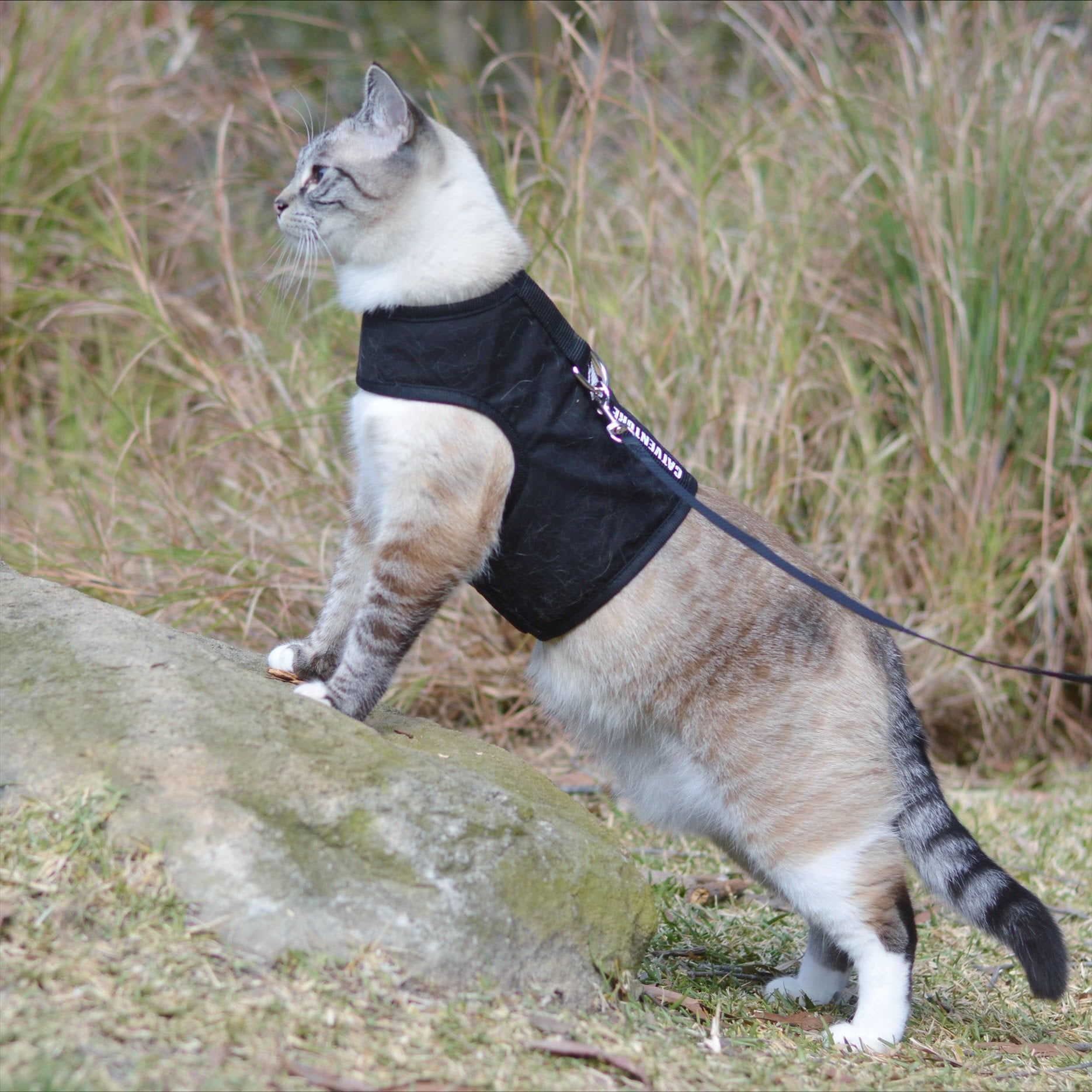


Why Your Cat Might Not Enjoy Walks Yet (And How To Build Their Confidence Slowly)
You have the harness, the lead and big dreams of leafy adventures together. But your cat has other plans. They freeze, flop, pull to go home or simply look unimpressed.
Not loving walks yet is completely normal. This guide explains why many cats feel unsure at first and gives you a slow, cat-centred plan to turn “nope” into “this is my favourite part of the day”.

In this guide
Why Your Cat Might Not Enjoy Walks Yet
Dogs have had thousands of years of practice walking side by side with humans. Most cats have not. For many cats, their first walk is also the first time they have worn a harness, felt a lead and experienced the outside world in such an intense, close-up way.
Some common reasons your cat might not be enjoying walks yet include:
- Too much, too fast. Straight from lounge room to busy street is a big jump.
- Sensory overload. New smells, sights, surfaces and sounds arriving all at once.
- Feeling trapped. If the lead is always tight, they can feel like they have lost control.
- Previous scary moments. A loud noise, dog rushing over or sudden pull on the lead can linger in their memory.
Rethinking What A “Walk” Means For Cats
A cat walk is not a power walk. It is closer to a guided sniffari. If you are expecting a steady, 1 kilometre loop at human pace, both of you will be frustrated.
What a cat-focused walk looks like
- Lots of stopping, sniffing, watching and listening.
- Short bursts of movement followed by long pauses.
- Exploring one corner of the yard or a single quiet path instead of covering big distances.
- Your cat choosing the direction most of the time, with you simply guiding and keeping them safe.
When you redefine “walk” as “controlled outdoor exploration”, your expectations shift. Suddenly, your cat is not “bad at walking”. They are simply doing what cats do best, at their own pace.
That excitement you see in reviews like Chloe’s comes from many small, positive experiences stacked together, not one huge hike on day one.
Common Reasons Cats Feel Unsure Outdoors
1. The environment is too busy
Motorbikes, dogs, kids, lawnmowers and traffic can all feel overwhelming, especially for indoor-only cats. Even a quiet suburban street can feel like a festival of noise and scent.
2. Surfaces feel strange
Grass, gravel, bark chips and hot concrete all feel different under paws. Some cats will happily walk on grass but refuse to touch a crunchy driveway.
3. The harness or lead still feels unfamiliar
If your cat is still noticing every sensation of the harness, they have less mental space left to cope with the outside world. Confidence indoors in the harness needs to come before big outdoor adventures.
4. They do not feel in control
Cats are more likely to enjoy walks when they feel they have some choice. Being pulled, dragged or hurried can quickly turn curiosity into avoidance.
5. Their first outing was a bit scary
A single loud noise, dog rushing up or tangle in the lead can leave a strong association. The good news is that calm, predictable, short outings can create new, better associations on top.
Reading Your Cat’s Body Language On Walks
Your cat is constantly telling you how they feel about the walk. Learning to read their signals helps you adjust your plan in real time.
Signs the walk is too much
- Body low to the ground, tail tucked in.
- Very fast breathing or panting.
- Trying to bolt for home or hide under parked cars or bushes.
- Ignoring treats they would usually love.
Signs they are cautiously coping
- Stopping often to look and listen, but recovering and moving again.
- Ears and whiskers moving in different directions, curious not completely pinned back.
- Taking treats and grooming in small breaks.
Signs they are genuinely enjoying themselves
- Tail carried mid to high, often with a gentle curve.
- Checking in with you, then happily exploring again.
- Returning to familiar sniff spots or favourite logs or bushes.
- Relaxed body, normal blinking and even little chirrups or purrs.
Slow Confidence-Building Plan
The best walks start long before you step outside. This plan assumes your cat is already comfortable wearing their Catventure harness indoors. If not, start with our harness confidence and flopping/freezing guides first.
Put the harness and lightweight lead on indoors. Sit with your cat near a secure screen door, open window or balcony door.
- Let them watch, sniff the air and listen to outside noises while feeling safe.
- Feed a few treats or give gentle pats when they stay calm.
- Keep these sessions five to ten minutes, then remove the harness and go back to normal indoor life.
When doorway sessions are relaxed, open the door and take one or two steps outside to a porch, balcony, deck or small yard area.
- Keep the lead short enough that you can step towards them easily.
- Stay very close to the door so they know home is right there.
- Let them choose to step out or simply sit and sniff at the threshold.
Choose a single quiet area, like a back yard corner, communal garden or calm courtyard, and make that your training zone.
- Visit the same spot at the same time of day for predictability.
- Allow plenty of sniffing, scratching posts, logs or plants.
- End each session on a calm note with a treat back at the door.
Once they are relaxed in your training zone, gently introduce short paths or driveways.
- Walk a few metres, then stop and let them sniff and survey.
- If they choose to turn back, go with them. Feeling safe is the priority.
- Gradually build distance over many days instead of one big walk.
When your cat starts to perk up at the sight of the harness and leads you towards favourite spots, you can slowly add variety.
- Try different safe routes at quiet times of day.
- Rotate favourite sniff zones and resting spots.
- Mix in days of indoor harness play to keep things fun and low pressure.
Real Catventure Success Stories
If you scroll through our reviews, you will see the same pattern again and again. Cats who were unsure at first, but learned to love their walks because their humans went slowly and followed the training advice.
From “not sure” to “confident adventures”
Kat shared that her girls adjusted quickly by following the instructions step by step. They now enjoy outside adventures without their humans worrying they will go too far, and the harness helps everyone feel safe and connected.
Escape artist turned professional explorer
Another customer described their cat as an “escape artist” who took a little getting used to the harness. With patience and proper fit, those same cats now stay secure in their Catventure harness and are relaxed on outings instead of trying to wriggle free.
These stories are not one-offs. They show what is possible when you pair the right harness fit with slow, thoughtful training.
Troubleshooting “I’m Not Enjoying This” Moments
Treat this as valuable feedback rather than stubbornness.
- Shorten the walk and end on a calm note near home.
- Next time, stay closer to the house and reduce exposure to busy areas.
- Reward them at the door so returning home still feels positive, not like a punishment.
This is often a sign they feel overwhelmed or unsure what to do next.
- Move back to quiet areas where they previously felt confident.
- Use treat trails or gentle toy play to encourage a few steps.
- Keep sessions short and finish before they completely flop.
Instead of holding a tight line, try this:
- Take a couple of steps towards your cat to remove pressure on the lead.
- Guide them in a small curve rather than dragging them away from what they want.
- Keep the lead length short so they cannot build up lots of momentum.
Think back to anything that might have changed – a loud noise, a new dog in the street, a storm. Then:
- Go back to easy, predictable routes for a while.
- Increase distance from whatever might be worrying them.
- Sprinkle in extra treats, calm voice and patience to rebuild trust.
Frequently Asked Questions
For most beginners, five to ten minutes is plenty. Focus on calm curiosity, not distance. You can always do two short walks in a day rather than one big one.
Yes. Many cats are perfectly happy with yard adventures, courtyard time or quiet garden paths. A “good” walk is any safe, supervised outdoor time your cat genuinely enjoys, even if it is just the front step.
A small number of cats may always prefer indoor play and window watching. That is okay. For many others, not liking walks yet simply means the pace has been a bit fast. Slowing right down and rebuilding positive experiences can make a big difference.
Yes. A well fitted Catventure harness spreads pressure comfortably and is designed for feline bodies, while our lightweight leashes avoid the heavy clips that can put some cats off. The more comfortable and secure they feel in their gear, the easier it is for them to focus on the fun part – exploring.
Ready To Help Your Cat Enjoy Walks?
If your cat is not loving walks yet, you are still at the beginning of the story, not the end. With the right harness, the right pace and a confidence-first plan, you can join the many Catventure cats who now trot happily to the door when they hear the jingle of the lead.

