







Why Harness Training Is Better Than Free Roaming For Your Cat And Local Wildlife
Letting cats wander has been treated as normal for decades. Modern research tells a different story - roaming is risky for your cat, and it puts huge pressure on native wildlife, especially in Australia.
Harness training and supervised adventures give your cat the best of both worlds, outdoor enrichment and fresh air without gambling with cars, dogs and fragile native species.
What we will cover
This article pulls together scientific evidence, welfare guidelines and real Catventure stories to show why supervised harness adventures are a kinder choice for your cat and for wildlife.
- The big picture - cats, wildlife and changing expectations
- The risks of free roaming for your cat
- What science says about roaming cats and wildlife in Australia
- Are indoor and contained cats really happy?
- Why harness training is a kinder compromise
- Science snapshots in plain language
- 10 Catventure stories that show the difference
- How to transition from roaming to harness adventures
- Common objections answered kindly
- The Australian context - laws, councils and conservation
- FAQ about harness training and free roaming
The Big Picture - Cats, Wildlife And Changing Expectations
For a long time, the default advice for cats was simple, open the door and let them decide. Many of us grew up that way. Cats came and went, and if they were gone for a day or two, that was seen as part of being a “real cat”.
Over the last two decades, veterinary research, welfare organisations and conservation scientists have painted a clearer picture of what free roaming really means.
- Roaming cats face higher rates of injury, illness and early death than contained cats.
- Roaming pet cats, as a group, hunt enormous numbers of wild animals, many of them native.
- Councils and states across Australia are starting to introduce cat containment rules.
This is not about blaming anyone for what was considered normal in the past. It is about the fact that we now have better information and better tools. Harness training is one of those tools.
The Risks Of Free Roaming For Your Cat
Multiple veterinary and welfare sources now advise that roaming cats live shorter lives on average than contained cats. The main reasons are not mysterious - they are the same risks we worry about for any small animal outdoors without supervision.
Typical risks for roaming cats
- Road trauma cars are a leading cause of death for pet cats who roam near streets.
- Dog and wildlife attacks roaming cats can be injured or killed by dogs or larger wildlife.
- Fights with other cats which spread FIV and FeLV, and often lead to painful abscesses.
- Poisoning from baits, garden chemicals, rodent poisons and toxic plants.
- Human cruelty sadly, some people will harm or trap cats they find on their property.
- Getting lost or stolen especially during house moves or natural disasters.
Lifespan and quality of life
It is common for indoor and contained cats, with good vet care, to live into their early to late teens, and sometimes into their twenties. Outdoor life expectancy can be far shorter due to preventable hazards. Even for cats who survive, repeated fights, injuries and infections reduce quality of life across those years.
Free roaming:
- Cat decides where and when to go, with no way for you to step in when things go wrong.
- No control over what they eat, who they meet or where they roam.
- Injuries and deaths often happen quickly and out of sight.
Supervised harness walks:
- You choose safer locations and quieter times of day.
- You can move away from dogs, traffic and other stressors.
- You can pick your cat up or retreat to a backpack or carrier within seconds.
What Science Says About Roaming Cats And Wildlife In Australia
Domestic cats are an introduced predator. In Australia, they share suburbs and bushland with animals that never evolved with small, efficient hunters that are active both day and night. When we talk about “impact on wildlife”, this is what the research has found.
How much do roaming pet cats hunt?
Australian studies that combined tracking collars, prey returns and scat analysis have estimated that:
- Each roaming pet cat that hunts kills, on average, well over one hundred animals per year.
- Those animals include reptiles, birds and mammals, many of which are native species.
- Most prey are never brought home, so owners usually only see a small fraction of what is happening.
The exact numbers vary between suburbs and studies, but the pattern is consistent. Roaming cats as a group have a very real impact, even when individual cats only catch a small number each week.
Where do they hunt?
Tracking research shows that roaming pet cats often move:
- Hundreds of metres away from their home, sometimes more.
- Into nearby bushland, reserves, creeks and green corridors.
- Across back fences and into multiple private gardens each night.
That means one roaming cat can impact several small populations of lizards, skinks and ground feeding birds at once.
When scientists scale those individual hunting rates to the whole population of roaming pet cats in Australia, the estimate comes out at hundreds of millions of native mammals, birds and reptiles killed every year by pet cats alone, in addition to the enormous toll from feral cats.
Your individual cat is not to blame for that entire number. But choosing containment and harness training is one tangible way to reduce the pressure on local wildlife in your area.
Are Indoor And Contained Cats Really Happy?
A common worry is that keeping cats inside or contained is unfair or boring. Modern welfare guidance, including from Australian organisations, says the opposite as long as we meet cats' behavioural needs with enrichment and choice.
What welfare guidelines recommend
- Keep cats safe within your property boundaries instead of allowing unsupervised roaming.
- Provide vertical space, scratching options, hiding places and predictable routines.
- Offer play, training and puzzle feeding to let cats express their predatory instincts.
- Give safe outdoor access through secure cat enclosures or supervised harness walks.
Behaviour research suggests that when these needs are met, indoor and contained cats are at least as content as roaming cats, and often less stressed, because they are not constantly dealing with territorial disputes, noisy roads and unpredictable threats.
A small flat with scratching posts, window perches, climbing shelves and daily harness walks can offer a richer, safer life than a huge territory where your cat spends most of their time dodging cars and fighting with neighbour cats.
Why Harness Training Is A Kinder Compromise
Harness training does not try to turn a cat into a dog. It respects the fact that cats move differently and prefer choice and control. The right harness and training plan simply give you a safe way to share outdoor time together.
Benefits for your cat
- Fresh air, sunshine and a huge scent world, without the road and roaming risks.
- Predictable, short outings that you can schedule for quieter times of day.
- Closer bond with you, because you are part of the adventure, not waiting at home wondering where they are.
- Less stress from defending a large territory against other cats.
Benefits for wildlife and neighbours
- Greatly reduced opportunities for hunting birds, reptiles and mammals.
- No toileting in neighbours' gardens or children's sandpits.
- Less conflict with people who are worried about cats on their property.
- Better alignment with council expectations and emerging containment laws.
With enough time and leverage, a determined cat can work their way out of almost anything. Tethering cats unsupervised can be dangerous and does not teach them how to walk calmly with a harness and lead. Supervised harness walks, with a snug, well fitting harness and sensible lead handling, are safer for your cat and for the animals around them.
Science Snapshots - What The Research Is Actually Saying
Scientific papers can be hard to read, so here are some key findings translated into everyday language. These are based on Australian and international studies on pet cats, roaming, hunting and welfare.
These summaries are simplified, but they show the consistent patterns that have emerged across multiple studies.
Studies that combined GPS collars with prey diaries and scat analysis found that the animals brought home are only a small sample of what roaming cats actually kill. Many prey are eaten on the spot or left behind. When scientists accounted for that, the estimated yearly kill for hunting pet cats rose into the hundreds of animals per cat, per year, with a large proportion being native species in Australia.
GPS tracking has shown that many pet cats roam hundreds of metres from home, often crossing multiple roads and properties. Some individuals regularly move into nearby reserves, creek lines and bushland at night, even when owners believe their cat “just stays in the yard”.
Surveys of cat guardians in Australia and overseas show a clear trend. People who know more about the risks of roaming and the impact on wildlife are more likely to keep cats contained, especially at night. They also report using more environmental enrichment indoors, and many are open to options like harness walks and cat safe enclosures.
Welfare assessments that look at behaviour, health and owner reports have found that indoor and contained cats can have excellent quality of life when their homes are set up thoughtfully. The key is not “indoors or outdoors” on its own, it is how much control, enrichment and predictability the cat has within that lifestyle.
10 Customer Stories That Show Why Harness Adventures Beat Free Roaming
Behind every statistic there is a real cat, a real human and a real story. Here are ten Catventure journeys, each paired with a customer photo, that show how supervised harness adventures can replace free roaming in a way that feels good for everyone.
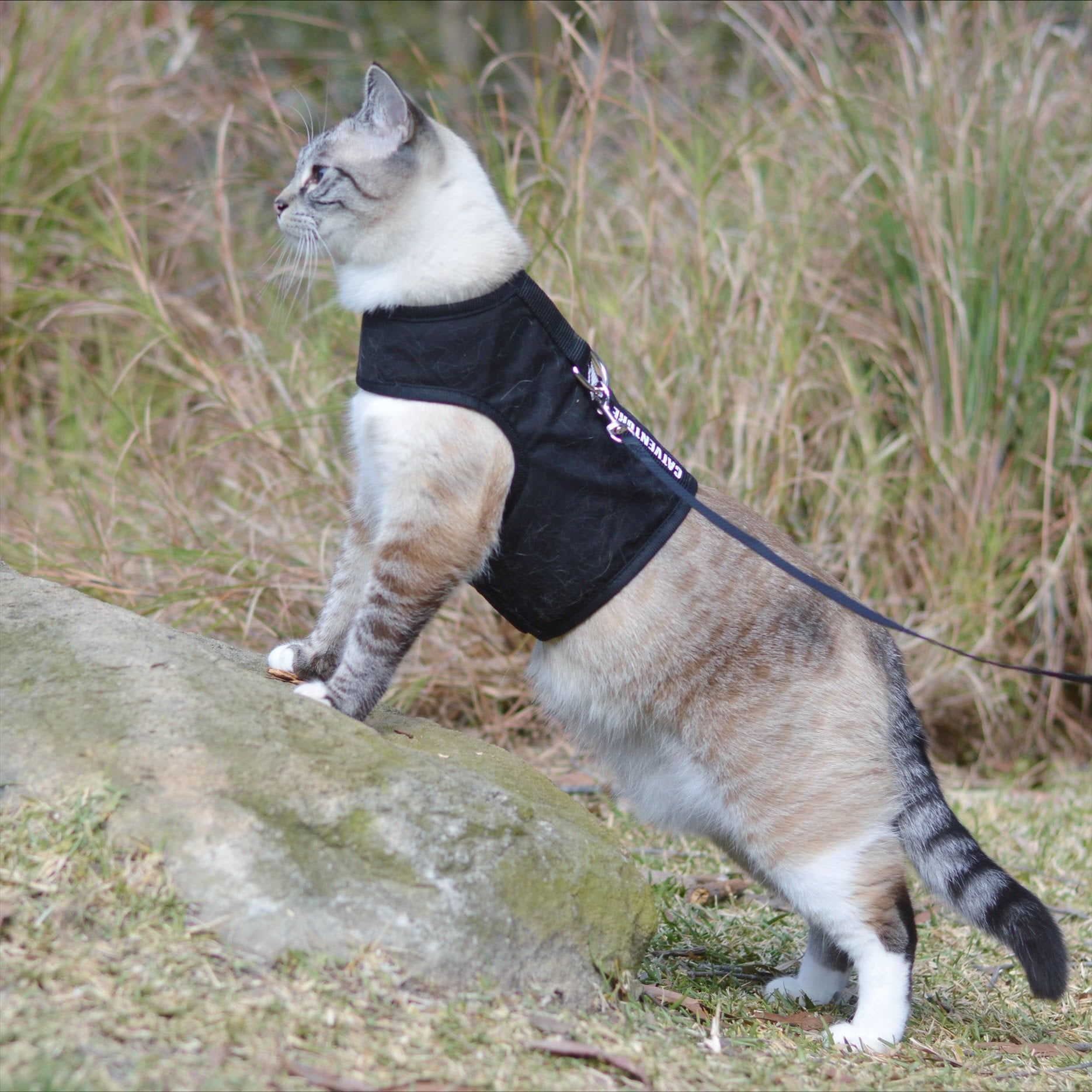
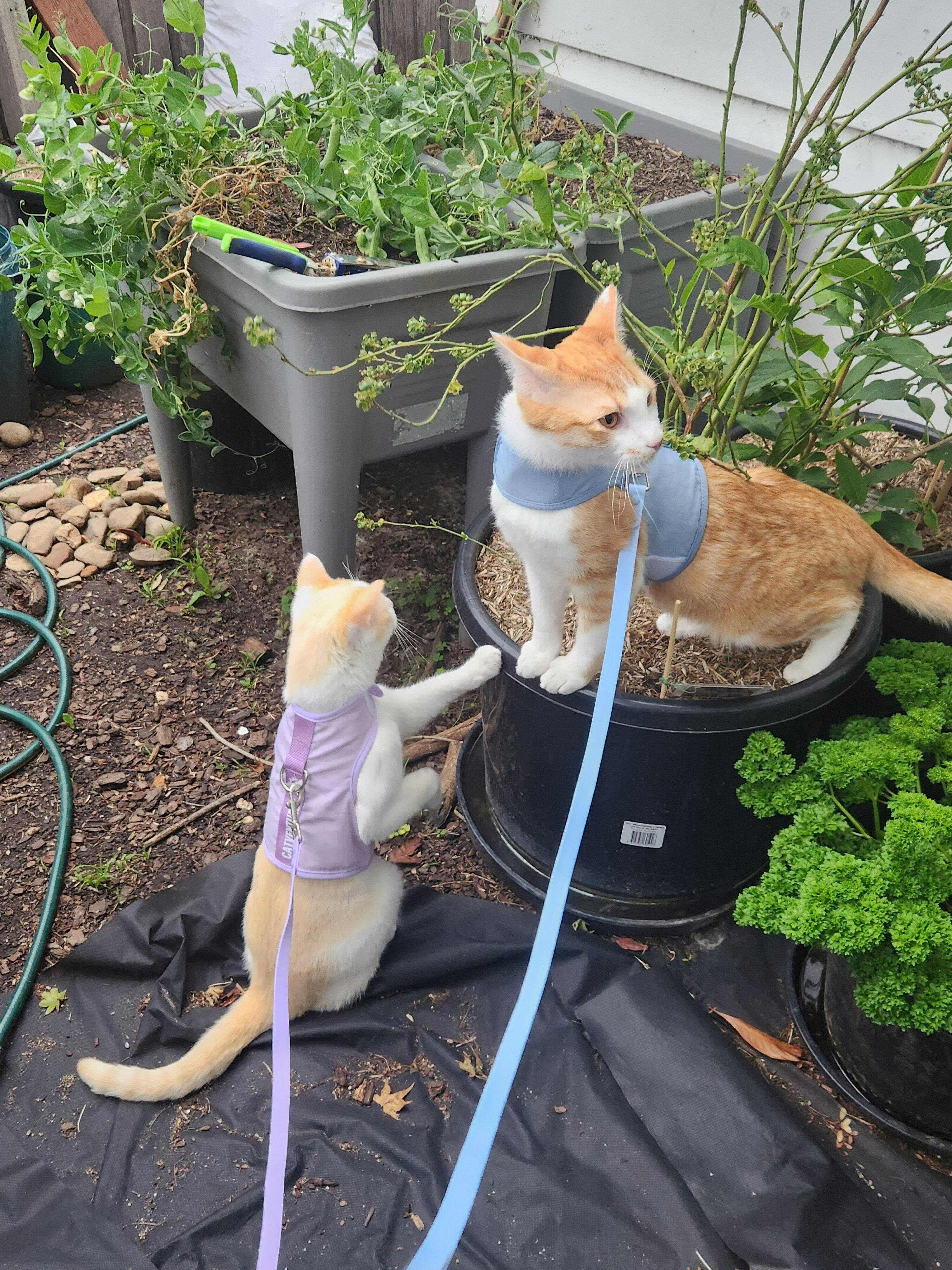
This adventurous cat used to disappear for hours, sometimes all night. His person worried about cars, neighbours and what he might be hunting, but felt guilty closing the door. They started by moving his outside time into short, supervised harness sessions in the yard and on nearby rocks, using the Catventure harness so they could pick him up quickly if a dog or car appeared.
“He still gets to sniff every plant and climb his favourite rocks, but now he checks in with us and comes home when we do - because we are already together.”
Former roamers often adapt best when you replace their favourite routines - like dawn patrols - with a new, supervised ritual at a similar time, rather than cutting outdoor time suddenly with nothing to fill the gap.
Harness adventures keep this rock hopper away from roads and neighbouring gardens. He still burns energy and satisfies curiosity without patrolling a large territory where he might hunt or be hurt.
This handsome tabby was a keen backyard hunter. His guardian often found “little presents” on the doorstep and worried about the local skink population. They shifted to supervised harness time, starting with short sniff sessions around the garden beds. Whenever he spotted movement, they redirected him to sniffing, treats or moving on, rather than stalking.
“He still gets to watch lizards sun themselves, but stopping him from chasing them has become a game in itself - and the skinks are very thankful.”
Redirecting predatory focus is easier when you are physically present. With a harness and lead you can gently interrupt stalking before the pounce, then reward calm watching or moving on, rather than letting instinct run all the way to the catch.
Supervised access protects local reptiles from being used as “practice prey” while still letting your cat enjoy watching them from a safe distance.
This rescue cat arrived with a long history of fending for himself outdoors. He was hyper alert, startled easily and reacted strongly to unfamiliar people. His new family wanted him safe inside, but also wanted to honour how much he loved being outdoors. They changed his life by pairing the Catventure harness with a quiet, leafy path near home.
“At first we just sat on the edge and let him listen and sniff. Now he walks with us up and down the path, but always with a short lead so we can scoop him up if something appears.”
Many ex street or rescue cats actually relax once their world becomes smaller and predictable. Harness walks work best when you start in very quiet spaces and let the cat decide how far to go, rather than aiming for a full “walk” on day one.
A cat who once hunted to survive can now enjoy the same spaces as a supervised visitor, rather than an unsupervised predator.
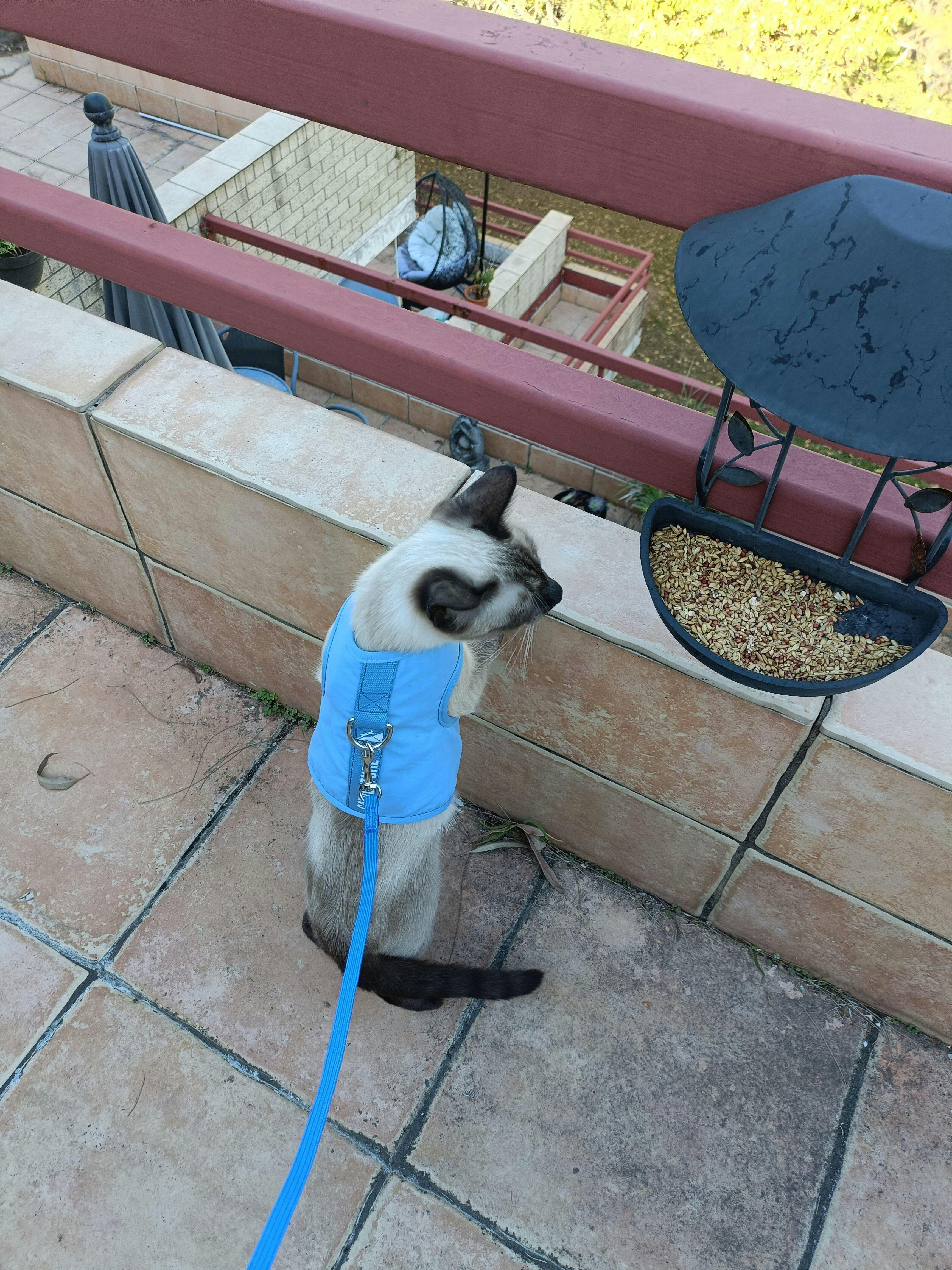
After moving into an apartment with no safe yard, this cat’s guardian was heartbroken at the idea of shutting her indoors forever. They turned the balcony into her own mini territory with boxes, plants in safe pots, and supervised harness sessions each day. The Catventure harness allowed quick pick up if birds swooped or a loud truck went past.
“She knows the balcony is her space now - she does her little patrol, then comes in for dinner instead of vanishing into the neighbourhood.”
For unit cats, a balcony or secure courtyard plus daily harness time can satisfy the “patrol and observe” instinct without any need to step onto the street.
Limiting access to a screened balcony prevents falls and stops your cat from entering other properties or sensitive areas, while still providing sky, air and street theatre.
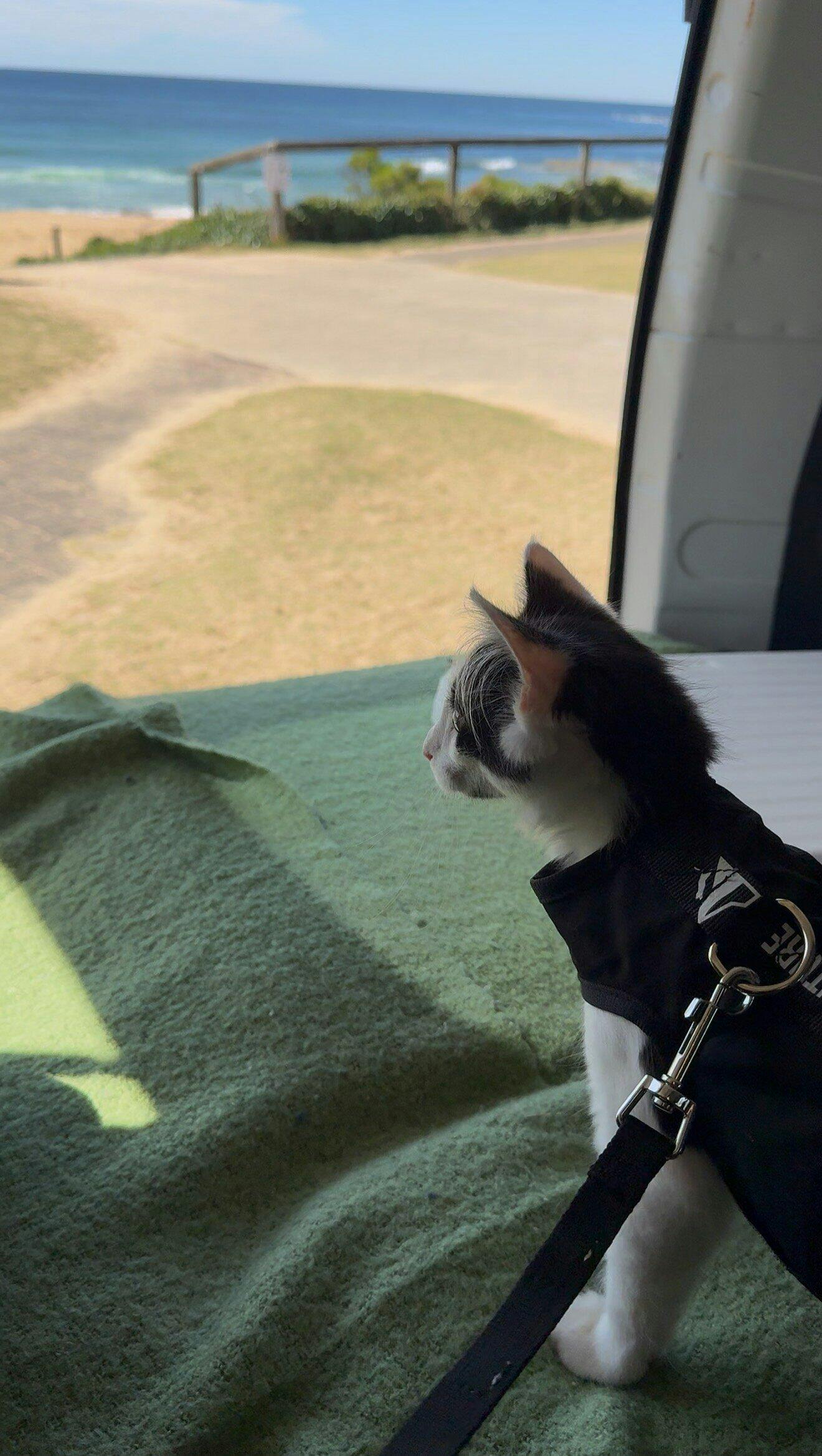
This family used to let their cat wander around the holiday park, which meant sleepless nights worrying he would not come back before checkout day. After investing in a Catventure harness, they switched to supervised beach and campsite strolls. The cat still rolls in the sand and watches waves, but is clipped to a secure lead at all times.
“We actually relax on holiday now - no more calling for him at midnight or wondering if he is in someone else’s cabin.”
Holiday houses and caravan parks are packed with hazards - unfamiliar roads, dogs, new people and wildlife. Harness training before you travel means your cat can enjoy the change of scene safely once you arrive.
Campsites often sit near sensitive dunes and coastal habitats. Keeping cats on lead protects nesting shorebirds and reptiles that live just beyond the car park.

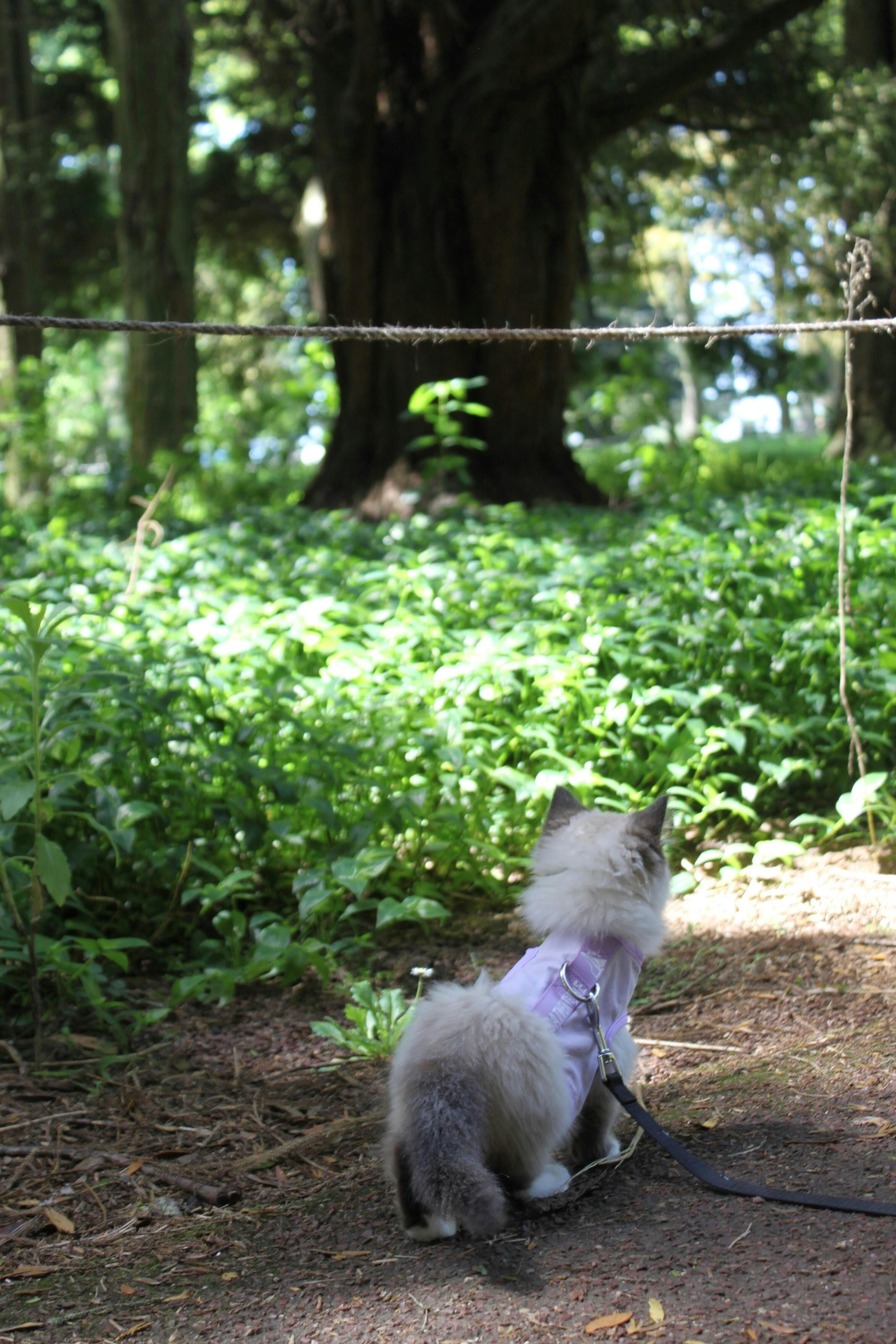
Living on a bush block meant this family shared their land with wallabies, birds and lizards. Their cat loved the smells and sights, but they did not want him hunting native animals. Harness walks along set “cat trails” let him survey his kingdom from rocks and logs, while his humans kept him away from nesting spots and log piles where wildlife rest.
“He still gets to be king of the rock, but his kingdom no longer includes unsuspecting wildlife.”
In bushy areas, choose a few repeat routes and landmarks so your cat can build familiarity. Repetition makes the environment feel safer and lets you learn where wildlife is most active.
Supervised walks on set paths reduce the chance of your cat flushing ground nesting birds or raiding logs where reptiles shelter, while still giving them the sensory richness of the bush.
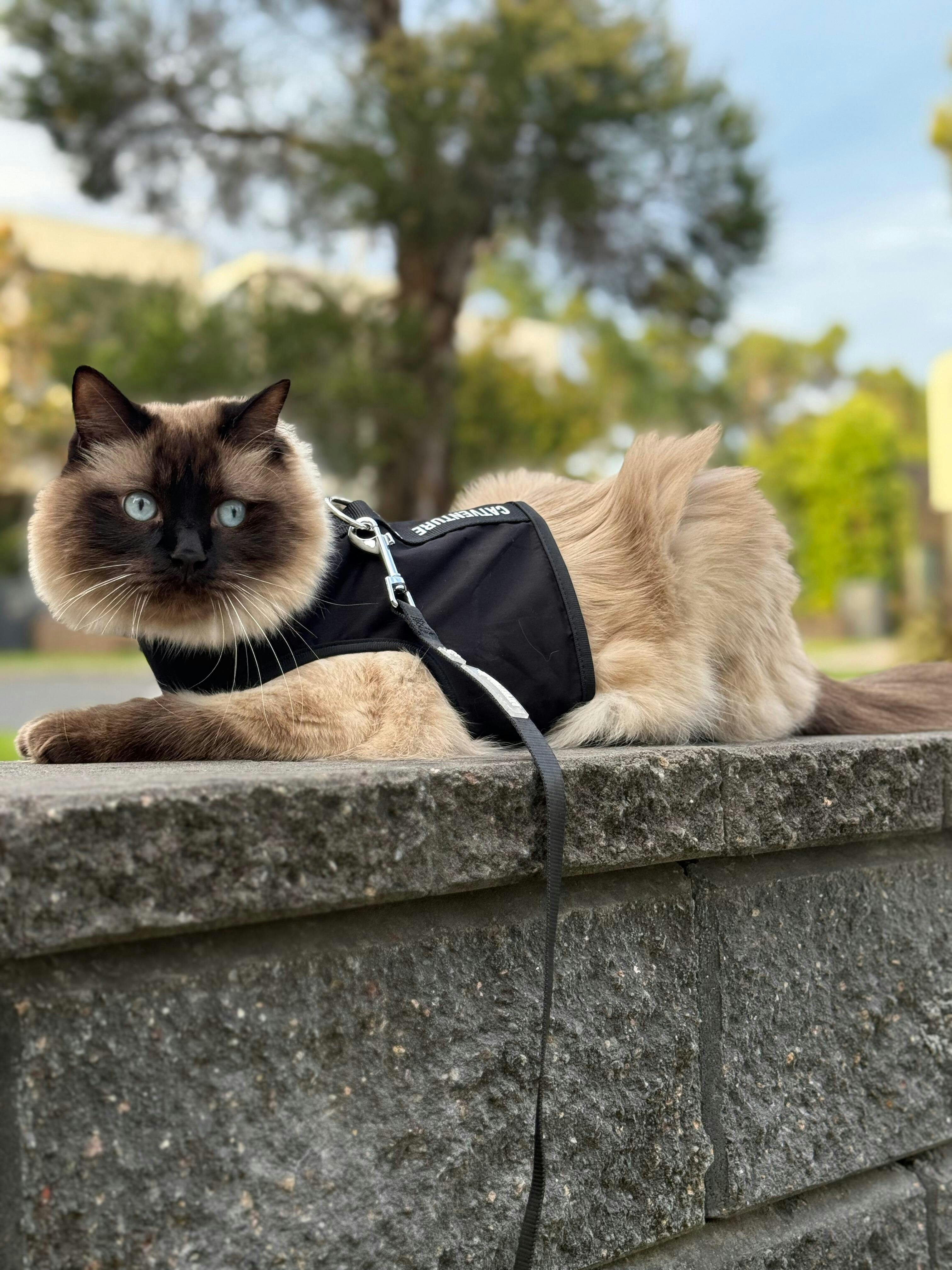
This young cat bounced off the walls as a strictly indoor kitten - climbing curtains, attacking ankles and shredding furniture. Rather than opening the door and hoping for the best, their guardian introduced the Catventure harness and started doing five to ten minute “park picnics” in a very quiet corner of a local reserve.
“He lies in the grass, sniffs everything and watches birds, then comes home and actually naps. It has changed our evenings completely.”
For high energy cats, harness time is not just about sightseeing. It is an outlet. Short, regular sessions where they can roll, climb and sniff can take the edge off the indoor zoomies without ever opening the door to unsupervised roaming.
Picnic style sessions, where your cat mostly stays near you on a short lead, are less risky for wildlife than letting them wander deeper into the reserve off lead.
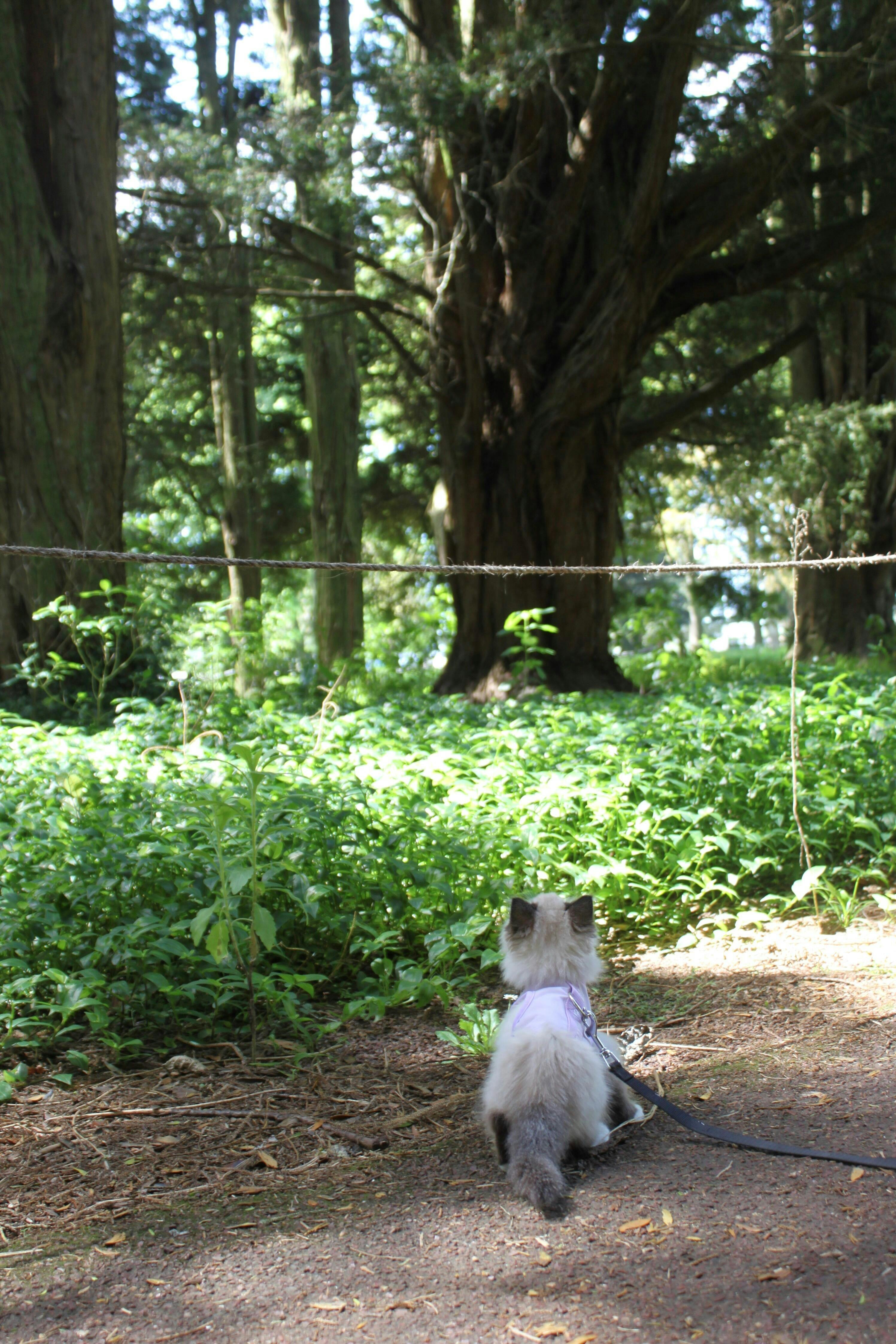
This former street cat was used to making every decision alone. At first he charged ahead on the lead, trying to drag his person wherever he wanted. With calm, consistent practice, his guardian used the Catventure harness to teach a new rule - forward progress happens when the lead is loose and when he checks in with his human.
“He has gone from towing me like a train to actually walking beside me most of the time, and he looks so proud of himself.”
Loose lead walking is possible with cats, especially when you use lots of reinforcement for checking in and you avoid constant tension on the lead. A secure harness gives you the confidence to practise without worrying about escapes.
A cat who learns to walk near you is easier to steer away from wildlife and hazards, compared with a roaming cat who can dash under fences and disappear.
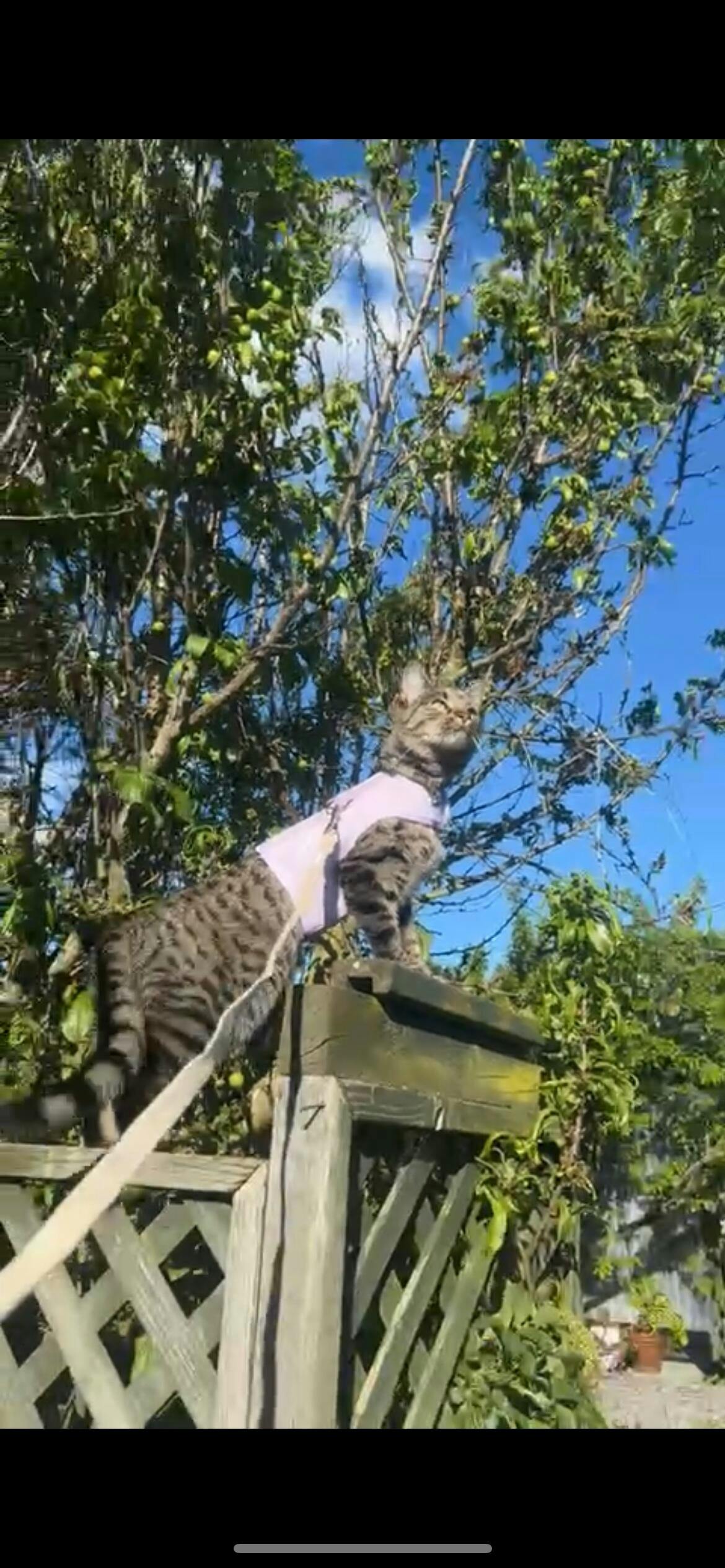
This cat used to be allowed out only at night, in the hope it would reduce hunting. Unfortunately, research shows that cats actually hunt a lot at night and that roads and dogs are still a big risk after dark. His family chose to bring him in at night and replace that habit with daylight harness outings in long grass and quiet paddocks.
“He still gets his stalk and pounce time, but now we can see what he is doing and there are no cars around.”
Shifting activity into daylight, when you can see each other clearly, makes it easier to read your cat’s body language and step in before they get overwhelmed or fixated on prey.
Night time containment is one of the most effective ways to reduce hunting of nocturnal wildlife and to protect cats from cars and foxes. Daytime harness walks give cats a safe outlet for their energy instead.
This older cat had spent years roaming and coming home with scratches and abscesses. As he aged, recovery took longer and his guardian worried each time he did not come home on time. They introduced the Catventure harness slowly and now take him for very short, gentle “rock walks” where he can sniff and sunbathe without bumping into younger, pushier cats.
“He still has his dignity and his adventures, but we are not paying emergency vet bills every few months anymore.”
Seniors often appreciate shorter, predictable trips with lots of rest spots. Harness walks let them enjoy the world at their own pace without needing to defend a big territory.
Keeping older cats contained protects both them and wildlife. They are more vulnerable to cars and fights, but still capable hunters. Supervised time is kinder on their bodies and the local ecosystem.
How To Transition From Free Roaming To Harness Adventures
If your cat has always come and gone as they please, changing that pattern can feel daunting. A staged approach makes the shift kinder for both of you.
Some cats will move through these stages faster, others slower. The goal is not to do it “perfectly”, it is to steadily move towards a lifestyle where your cat is safer and wildlife is less exposed. Every bit of progress counts.
Common Objections Answered In A Cat Friendly Way
Most cats dislike change at first, even if the new routine is safer. They may meow at the door or act frustrated. That does not mean containment is cruel, it means their habit has been interrupted. If you combine containment with extra play, predictable routines, climbing options and harness walks, the vast majority adjust and become just as affectionate, often more so because they feel secure.
Older cats can still learn new routines. In fact, they often benefit the most from reduced roaming, because they are more vulnerable to cars, fights and infections. Start with night time containment plus gentle harness sessions in the yard, then slowly reduce unsupervised daytime access as your cat shows you they are coping.
Hunting behaviour is natural, but we can channel it into play and puzzle feeding rather than live prey. Wand toys that mimic stalk-chase-pounce, and food puzzles that require batting and fishing, give your cat an outlet while respecting the fact that many native animals simply cannot withstand ongoing predation from domestic cats on top of habitat loss.
Studies show most prey items are never brought home. Even if your individual cat does hunt less than average, roaming pet cats as a group have a large, measurable impact. Choosing containment and harness walks is less about judging your cat and more about doing your part to reduce total pressure on local wildlife.
The Australian Context - Laws, Councils And Conservation
Australia has some of the most unique wildlife on earth, and also some of the highest rates of species decline. That is why more councils and states are talking about cat containment, especially at night, and why welfare bodies are encouraging responsible pet management.
What this means for cat guardians
- Keeping your cat safe at home, with harness walks and secure outdoor access, helps you stay ahead of changing local laws.
- You reduce the chance of complaints about roaming cats, which protects your relationship with neighbours.
- You actively support conservation by choosing an option that takes pressure off local wildlife populations.
If your cat has always roamed, this is not about feeling guilty for the past. It is about the fact that we now understand more than we did even ten years ago. Harness training, enriched indoor spaces and cat safe outdoor areas give you new choices that simply did not exist when “just let them out” was the only advice.
FAQ About Harness Training And Free Roaming
No. Some cats genuinely prefer indoor life with window seats and play. Harness walks are one of several ways to provide enrichment. They work best for curious, confident cats or those who show clear interest in the outdoors. If your cat finds walks consistently stressful despite careful training, focus on indoor enrichment and maybe a secure catio instead.
The Catventure harness is designed specifically for cats - soft cotton, wide coverage over the chest, secure fastenings and a shape that makes it harder to back out of when fitted snugly. Combined with sensible lead handling and supervised use, it gives you more control than thin strap or collar based options that are often made with dogs in mind.
Yes. Many accidents and wildlife encounters happen in backyards. Harness training lets you set limits within your own property and step in quickly if needed, while still letting your cat enjoy grass, sun and fresh air. It also gives you the option to expand their world carefully later if you choose.
Some confident cats take to it in a week or two, others need several months of tiny steps. The key is to go at your cat’s pace, use lots of positive reinforcement and never force them to stay in situations where they are clearly overwhelmed. You are building a lifetime skill, not rushing to tick a box.
Help Your Cat Live Longer While Protecting Local Wildlife
Free roaming might feel traditional, but it is no longer the only or safest way for cats to experience the outdoors. Harness training and supervised adventures give your cat sunlight, fresh air and mental stimulation, without the risks of traffic, fights and hunting fragile native species.
The Catventure harness was designed specifically for this kind of safe, controlled exploration, so you can enjoy the outdoors together in a way that matches modern welfare and conservation science.
