








New Cat Owner Checklist: Everything You Need For A Happy, Enriched Indoor Cat
Bringing a new cat home is exciting, but it can also feel overwhelming. There is the shopping list, the set up and the big question of how to keep an indoor cat truly happy and calm.
This checklist walks you through everything your indoor cat needs, plus the one thing that is often missing from shopping lists: daily enrichment that lets them express their natural cat behaviours in safe, indoor friendly ways.



In this guide
Why Indoor Cats Need Enrichment To Be Happy
Your cat might sleep 16 hours a day, but those waking hours are packed with instinctive needs. Hunt, climb, scratch, explore, hide, observe and play. In the wild, all of this happens naturally. Indoors, it only happens if we deliberately build it into their environment and routine.
Enrichment is anything that allows your cat to:
- Use their brain and body in cat-appropriate ways.
- Make choices, not just be placed and moved around.
- Feel safe but not bored.
- Express natural behaviours like scratching, chasing and climbing without getting in trouble.
Signs Your Indoor Cat Is Not Enriched Enough
Behaviour is your cat’s language. These common issues are often signs of boredom or unmet needs, not “naughtiness”.
Behaviour that can mean “I am under-stimulated”
- Night time zoomies and yowling they have too much energy left over from a quiet day.
- Scratching furniture and carpets they need more appropriate scratching options.
- Door and window fixation constantly trying to escape, pawing or crying at doors.
- Overgrooming licking patches of fur thin, often from stress or lack of outlets.
- Rough play and biting especially directed at hands and feet because hunting needs are not met elsewhere.
- “Clingy” behaviour following you from room to room, vocal and restless but not settling even with affection.
- Flat or withdrawn mood hiding more, sleeping a lot but not engaging with toys or the environment.
The rest of this checklist is about filling your cat’s day with small, satisfying experiences so that problem behaviours naturally start to fade.
Essential Home Set Up Checklist
Start with the basics. Think of this as your non negotiable shopping and set up list for a new indoor cat.
- Vet check and vaccination plan.
- Microchip registered to your current address and phone number.
- Desexing plan if not already done.
- Safe place to keep any medications out of reach.
A healthy cat is a happier cat. Getting vet basics sorted early gives you a clean base to work from with behaviour and enrichment.
- Separate food and water areas, not bowls right next to each other.
- Wide, shallow bowls so whiskers do not squash against the sides.
- At least one water source away from the litter area.
- Options for both predictable meal times and occasional puzzle or scatter feeding for enrichment.
- At least one covered “den” style bed or hideaway where they can fully relax.
- Soft beds in quiet, low traffic parts of the house.
- Access to higher resting spots like the back of a sofa or a shelf with a bed on it.
Cats feel safest when they can choose to be high up or tucked away. Having designated safe spots reduces stress.
- Cat tree or shelves that allow them to get above floor level.
- At least one safe lookout point near a window.
- Sturdy enough that they can jump, climb and scratch without wobbling.
Vertical territory increases their world without needing more floor space and helps reduce tension in multi-cat homes.
Litter Box And Toileting Set Up
Litter set up is one of the biggest influences on your indoor cat’s quality of life and behaviour. A good set up prevents stress related accidents and makes the box a comfortable, predictable place.
Basic litter checklist
- Enough trays. A common guideline is one tray per cat, plus one extra where possible.
- Trays large enough for your cat to turn around easily, not just perch.
- Litter depth that allows digging and burying, not a thin sprinkle.
- Daily scooping and regular full cleans to reduce odour and discomfort.
Covered trays can look tidier for humans but feel cramped or stuffy for some cats, which can lead to toileting just outside the tray. If you use covered trays, watch your cat’s body language and be prepared to try an uncovered option if they seem reluctant or rush in and out.
Location matters too. Place trays in quiet, easy to access areas, not next to noisy appliances or in cupboards that are sometimes closed.
Daily Enrichment Checklist For Indoor Cats
This is where indoor life becomes truly satisfying for your cat. Think variety over perfection. A few small enrichment activities every day add up to a huge difference over time.
Aim for at least one or two focused play sessions a day, even if they are only five to ten minutes.
- Use wand toys that dart and hide like real prey, not just circles around their head.
- Let your cat “win” by catching the toy regularly.
- End play with a small snack so the hunt sequence feels complete.
- Use puzzle feeders or simple homemade versions like toilet roll tubes or egg cartons.
- Scatter a portion of their dry food around a safe room for “foraging”.
- Rotate where you hide small snacks so they get to search and problem solve.
Eating becomes an activity, not just a bowl you empty in ten seconds.
- At least one tall scratching post they can fully stretch up on.
- Horizontal scratchers for cats who like to scratch carpets or rugs.
- Scratchers in the places they already want to scratch, like near the sofa or by entrances.
Scratching keeps claws healthy, marks territory and is a major stress release. Giving them good options protects your furniture.
- Place a bed or perch near a safe window with interesting views.
- Open windows with secure screens so they can sniff outdoor scents.
- Rotate which windows they can access to change up the scenery.
Watching birds, people and leaves provides mental stimulation even when they are physically resting.
Clicker style training or simple reward based training is a powerful enrichment tool.
- Teach simple cues like “come”, “up” or “touch” to a hand target.
- Reward calm behaviour on a mat or bed when guests visit.
- Introduce harness training slowly so putting it on predicts good things.
Training sessions use their brain, deepen your bond and make everyday life easier for both of you.
Routine, Predictability And Calm Confidence
Cats thrive on routines that feel safe. A simple daily structure helps your new indoor cat relax and reduces anxiety based behaviours.
Example daily rhythm
- Morning: play session, breakfast, window time.
- Midday: quiet rest, solo toys, occasional puzzle feeder.
- Late afternoon: second play session and social time.
- Evening: calm play session, small snack then lights down for sleep.
When a cat can predict roughly what happens next, they do not need to stay on high alert all day. That sense of safety frees up energy for curiosity and play instead of constant anxiety.
You do not need to follow the same schedule to the minute, but keeping the order of events similar helps a lot, especially for sensitive or rescue cats.
Safe Ways To Add Supervised Outdoor Time
Indoor only does not have to mean “never feels fresh air on their whiskers”. There are safe ways to add outdoor experiences without free roaming.
Harness and lead adventures
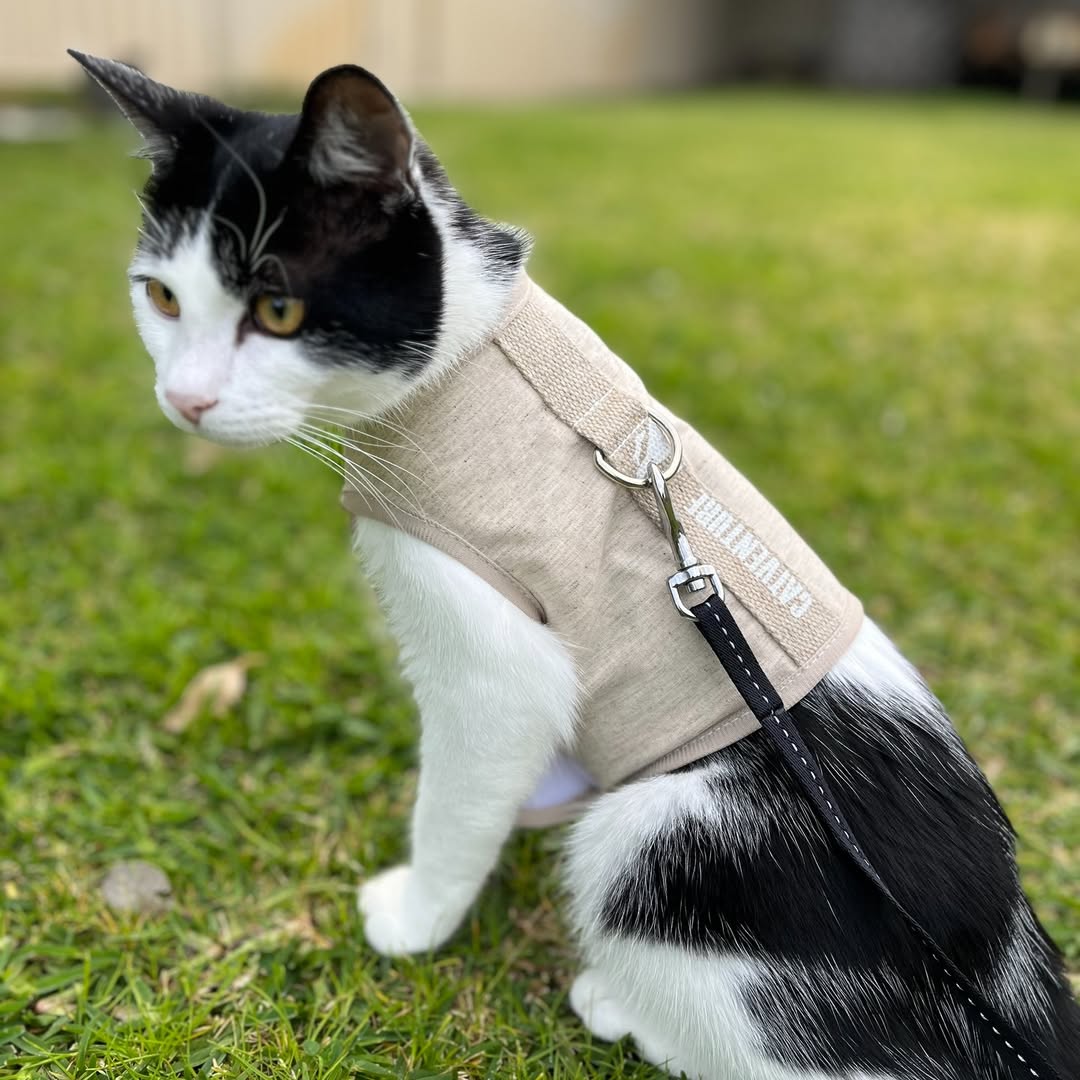
A well fitted cat specific harness paired with a lightweight lead lets your cat explore safely while you stay in control. Start with very short, quiet sessions at the doorway or in a courtyard, then slowly build up their confidence as they show you they are ready.
Supervised harness time can be especially helpful for indoor cats who stare longingly out of windows or show strong urges to dash through doors.
Indoor activity on “indoor only” days
Even if outdoor time is not possible every day, indoor enrichment should stay consistent. That way your cat does not feel that life is only interesting when the harness comes out.
New Indoor Cat FAQ
A bare, boring indoor life is not fair on a cat. A thoughtfully enriched indoor life, with play, climbing, scratching, hiding, training and, if possible, supervised outdoor experiences, can be safer and more satisfying than roaming. The key is how much you build their world inside, not just closing the door.
Many behaviour professionals suggest at least two focused play sessions daily, plus access to solo play options. Kittens and younger, active cats often need more. If your cat is still doing wild zoomies and biting ankles at night, try increasing interactive play earlier in the evening and finish with food so they can settle more easily.
Vertical space and rotation are your best friends. Use shelves, window perches and tall scratching posts to create layers. Rotate toys and rearrange simple things like cardboard boxes, paper bags and tunnels to keep the environment interesting without needing more square metres.
Watch your cat’s behaviour over weeks. A well enriched indoor cat will:
- Play in short bursts, then rest deeply.
- Use scratching posts instead of only the sofa.
- Show curiosity without constant frustration or door scratching.
- Have a calmer mood overall, with fewer stress related behaviours.
If you are still seeing a lot of problem behaviours, increase structured play and introduce one new enrichment idea at a time, then reassess.
Building A Great Life For Your Indoor Cat
A happy indoor cat is not an accident. It is the result of small daily choices you make about their environment, routine and enrichment. With the right set up and a little creativity, your home can meet your cat’s needs for safety, play, climbing, scratching and even supervised outdoor adventures.
